








Published: September 15, 2026
Updated: September 15, 2026

Quick Summary
A pricing proposal is a sales tool that must connect costs directly to buyer outcomes. To close deals consistently, sales teams should structure transparent pricing tiers, clearly define the boundaries of project scope, and present their numbers live with confidence. Proposify makes this process easier by helping build consistent, professional proposals with accurate pricing and smooth approvals.
Why Pricing Proposals Win or Lose Deals
Your pricing proposal is often the first section a prospect studies and the one they remember most. Even a great solution can lose momentum if the pricing feels confusing or disconnected from the value you're offering.
This guide explains how to write and present pricing proposals that build confidence, justify your pricing, and help move clients from consideration to approval.
Why Listen to Us?
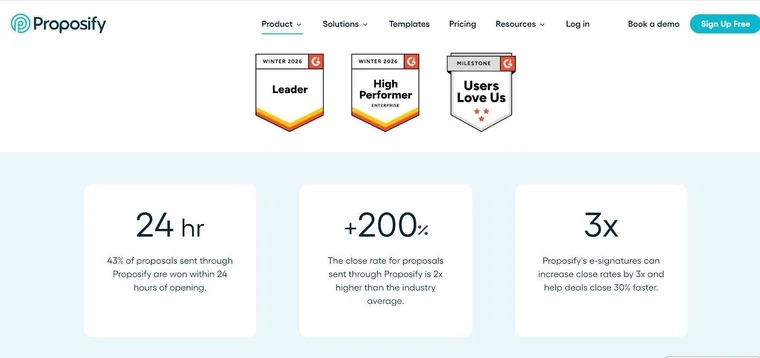
At Proposify, thousands of B2B teams use our platform to create, send, and track proposals. The insights in this guide are informed by proposal engagement data, customer conversations, and years of experience helping teams manage their proposal process.
What Is a Pricing Proposal?
A pricing proposal is a formal sales document that presents the cost of a proposed service, project, or engagement to a prospective client, tailored to that client's specific situation.
Pricing proposals differ completely from quotes or writing a proposal.It connects the cost to a clear result. Once you connect the investment to the expected outcome, buyers have more context for evaluating the price.
These documents are essential for agency projects, consulting, service contracts, software implementations, and retainers. Any deal where a standalone price lacks the context a buyer needs to confidently say yes.
How to Build a Pricing Proposal Step by Step
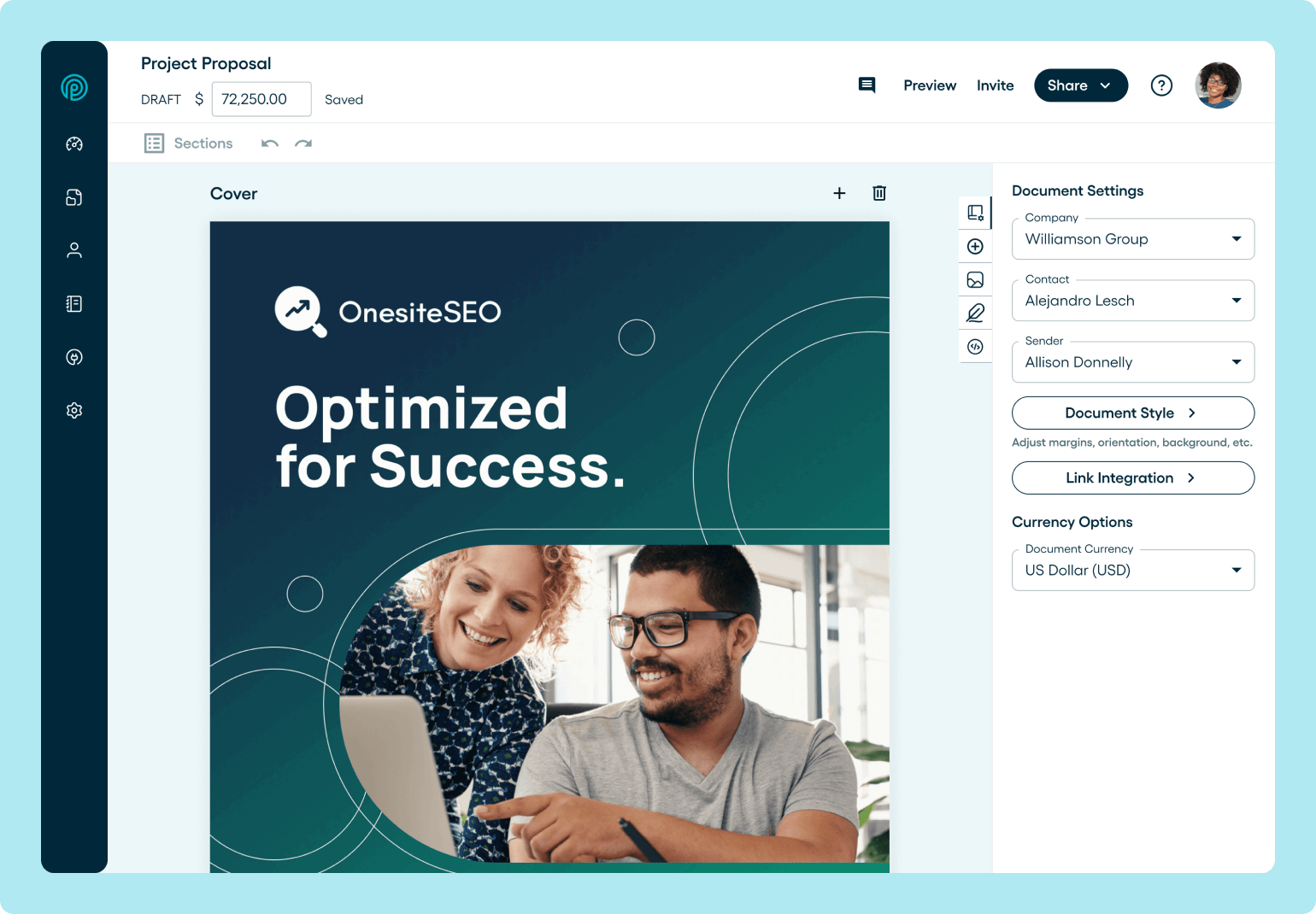
Reading about proposal structure only gets you so far. The fastest way to actually learn this is to build one, so that's what we'll do here, one section at a time.
Here's the scenario we'll use. You run a small content marketing agency. A B2B SaaS company called ABC Analytics has come to you because its blog has stalled and is no longer generating leads. You're proposing a six month content and SEO retainer to fix it.
We'll stick with this same client through every step below, so by the end, you'll have watched a full proposal come together.
Step 1: Gather the Right Information
A proposal built on guesses reads like one. Start by understanding the client's objectives, deliverables, timeline, and budget. Then define what's in scope, what's out, and what falls outside your control. Once you have that clarity, choose the right pricing model. Fixed-fee, retainer, milestone-based, and hourly pricing all serve different engagements differently.
As Proposify CEO Kyle Racki puts it, "you have to get the pricing model right. That's arguably more important than the actual price that you set." If the model doesn't match how the client perceives value, even a fair price can fall flat.
If you're still defaulting to hourly pricing, this guide on how to price a proposal, walks through stronger alternatives.
Step 2: Open With an Executive Summary
This is the first thing the client reads, so its job is small but important. Prove you understood their problem, state what you're proposing to do about it, and tell them what to expect. Three to four sentences are usually plenty. Save your company history for later in the document, if you include it at all.
A simple way to write this section is to restate the problem in the client's own words, introduce your solution in one sentence, then name the outcome they should expect.
Here's what that looks like for ABC Analytics:
ABC Analytics' blog has seen a steady drop in organic traffic over the past year, and the internal team no longer has the bandwidth to publish consistently. This proposal outlines a six month content and SEO retainer built to restore a regular publishing schedule, target the keywords your buyers are actually searching, and turn the blog back into a reliable source of qualified leads. Based on similar engagements, you can expect organic traffic to climb meaningfully within the first four months.
Notice it doesn't mention price yet. It also doesn't talk about the agency itself beyond what it's proposing to do. Everything in this section exists to make the client think, this person understands my problem.
Step 3: Define the Scope of Work
This is where you spell out exactly what's included, who's responsible for what, and on what timeline. A vague scope is how a six month retainer ends up stretching into nine months of unpaid extras, so be specific.
For ABC , the scope section might read like this.
Scope of work
- 8 SEO optimized blog posts per month, 1,200 to 1,500 words each
- Monthly keyword research and content calendar, delivered by the agency
- On page SEO updates for 10 existing underperforming posts
- ABC Analytics provides subject matter expert access for two short interviews per month
- Engagement runs six months, with the following month's content calendar delivered by the 25th of each month
Every line answers a question the client would otherwise have to ask later like how many posts, how long are they, and who's giving us the calendar and when.
Step 4: Present the Pricing Section
This is the page nearly every buyer reads first. It needs to stand on its own without the rest of the document explaining it.
You generally have two ways to lay it out. Itemized pricing breaks the cost into individual line items, which works well when the client wants to see exactly what they're paying for.
|
# |
Deliverable |
Monthly Cost |
|
1 |
Strategy and keyword research |
$1,200 |
|
2 |
Content production, 8 posts |
$4,800 |
|
3 |
On page SEO optimization |
$1,000 |
|
Total monthly investment |
$7,000 |
|
Package pricing instead groups your offer into tiers, often labeled something like Basic, Professional, and Premium. Buyers tend to think in threes. Using a good, better, best layout gives the middle tier an anchor on both sides, which usually makes it the easiest one to choose.
Either format can include optional add ons. Racki has described this kind of structure as a way to "allow your buyers to pre-select how many of something they want to buy," often sold in blocks rather than individual units.
If ABC wants posts beyond the eight already included, sell them in a block rather than one at a time, for example four additional posts for $2,200. A block reads as a clean upsell, where a long menu of single unit prices just reads as more decisions to make.
If you want a ready layout to start from, uses a sales proposal template, built around this exact structure to speed up the process.
Step 5: Explain the Value Behind the Pricing
A number on its own invites a negotiation. A number with context invites a decision. This section connects each deliverable back to the result it produces. Example:
The $7,000 monthly investment reflects a publishing volume most in-house teams can't sustain without adding headcount, along with the SEO work needed to recover rankings that have already slipped. On comparable SaaS content engagements, clients typically see a 20 to 40 percent increase in organic sessions by month four, which directly reduces how much you need to spend on paid acquisition to hit the same lead targets.
This is also the place to be upfront about what's driving any larger cost items. If something is expensive because it needs specialized expertise or extra hours, say so plainly instead of hoping the client doesn't ask.
Step 6: Include Clear Payment Terms
Deposits, installment schedules, invoice timing, and what happens if a payment is late all belong here. This section gets skipped more often than it should, and it's usually the one clients reread closely right before signing.
A 25 percent deposit ($1,750) is due at signing, with the remaining monthly fee invoiced on the first of each month for the duration of the engagement. Invoices are due within 15 days. Deliverables may pause if payment is more than 30 days past due.
Step 7: Add Next Steps
End with exactly what happens after the client says yes. Approval process, signature, kickoff date. This is one of the most commonly missed pieces in proposals generally. Never leave a buyer wondering what to do next, the same way you wouldn't at the end of any other piece of marketing.
To move forward, sign below and return this proposal by [date]. Once signed, you'll receive a kickoff call invite within two business days, where we'll confirm your month one content calendar and collect access to your CMS and analytics.
Walk through all six steps in that order, using your own client's details in place of ABC’s, and what you'll have at the end is a complete pricing proposal someone can actually say yes to.
How to Present Pricing Clearly and Confidently
Writing the proposal is only half the battle. How you walk a client through it in real time determines whether the deal holds up or falls apart in five minutes. Here's how to walk clients through your proposal and keep the deal alive
- Schedule a Live Walkthrough Instead of Sending it Cold: Get fifteen minutes on a call to review the document together. This lets you control the narrative and answer questions immediately, rather than waiting days for a cold email response.
- Know Who Is in the Conversation: A founder weighing ROI requires a different focus than a procurement lead checking a budget line. Ask for the attendee list beforehand so you can tailor your talking points.
- Lead With Outcomes Before Numbers: Review the problem you are solving and the results you will deliver first. By the time the client sees the price, they will associate it with value rather than just a cost.
- Narrate Your Pricing Logic: Explain out loud why your structure looks the way it does, such as why you use a retainer over hourly billing. Walking them through the table prevents awkward silence where doubt can build.
- Don't Apologize for Your Price: Avoid hedging language or offering unsolicited discounts, which signals a lack of confidence in your rates. When you speak with certainty, the client feels secure.
- Prepare for Predictable 0bjections: Have calm, specific answers ready for the three common questions: Why does it cost this much? Can we lower the budget? What happens if the scope changes? Rehearsed responses keep the meeting moving forward.
Building these habits into your workflow creates consistency and gives you control of the deal from the first draft to the final signature.
What to Include in a Pricing Proposal
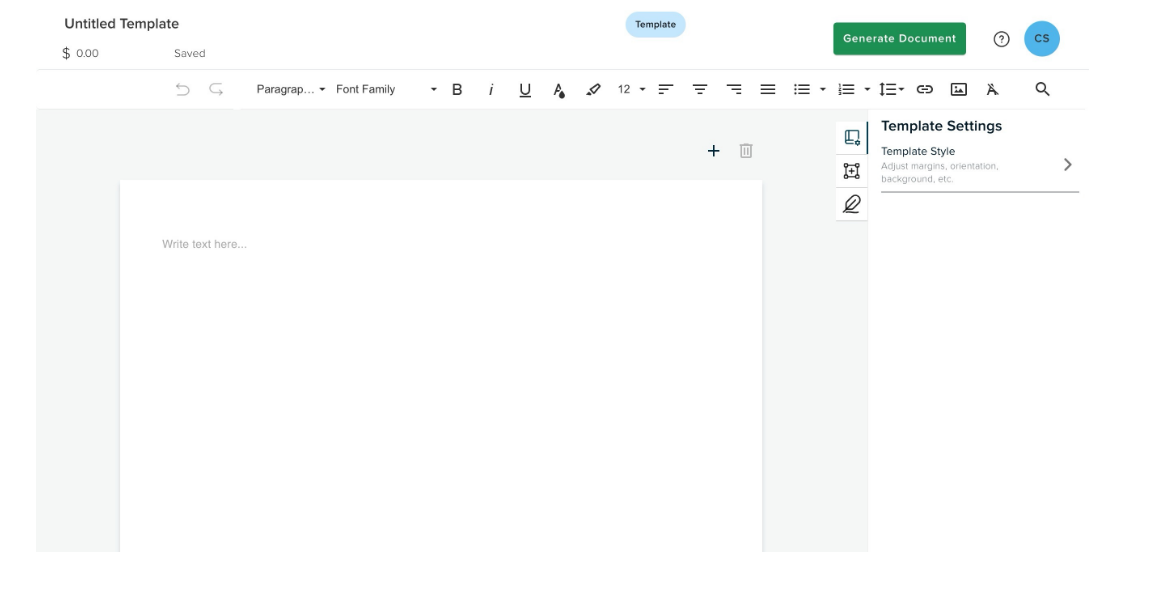
While every proposal is different, the strongest ones include a few core components. Together, these sections help clients understand what you're offering, how much it costs, and what happens next.
- Executive Summary: Briefly explain the client's challenge, your proposed solution, and the outcome they can expect. Keep this focused on the client's goals rather than your company's background.
- Project Scope: The project’s deliverables, timeline, responsibilities, and exclusions, if any, should be clearly defined. Doing so, reduces misunderstandings and prevents scope creep.
- Pricing Breakdown: Present your pricing in a format that's easy to understand, whether that's itemized costs or package tiers. If appropriate, include optional add-ons so clients can expand the project without requesting a new proposal.
- Value Justification: Why is the investment worthwhile? Answer that here by connecting pricing to measurable business outcomes, so clients evaluate value rather than focusing solely on cost.
- Payment Terms: Outline deposit requirements, invoicing schedules, payment deadlines, and any late-payment policies. For one-time projects like a website redesign, payments are often split between signing, design approval, and final delivery.
- Next Steps: Your pricing proposal should always close with a clear call to action that tells the client exactly how to move forward. This could be signing the proposal, scheduling a kickoff meeting, or making the initial payment. Just make it clear, direct, and simple to act on.
If you'd rather start from a built layout than a blank page, both the service proposal template and the bid proposal template are solid starting points depending on how formal the work needs to feel.
Common Pricing Proposal Mistakes to Avoid
A well-written proposal can fall apart if you trip over a few easily avoided traps. Here’s a look at the most common mistakes that kill an organization’s credibility instantly.
- The Panic Discount: If a prospect asks for a budget cut, pricing discounts should be your last resort. Instead of slashing your rates, negotiate by removing parts of the scope. Caving too quickly on price signals that your original number was padded.
- The Hidden Cost Trap: Burying extra fees or surprise line items in the fine print destroys trust. Be completely transparent about every cost upfront.
- The Single-Choice Ultimatum: With a single price, a buyer can't tell if it's "too expensive or too cheap”. You should always give them something to compare against, so they're not left guessing whether it's fair.
- The Foggy Scope: Failing to explicitly state where your responsibilities end and where the client's duties begin is how teams end up doing weeks of unpaid extra work.
Most of these mistakes happen when you copy and paste data across old documents. This manual friction is exactly why dedicated proposal software becomes necessary. Instead of rewriting every pitch from scratch, you can automate the mechanics of the deal to ensure accuracy every time.
How Proposal Software Helps You Get Pricing Proposals Right Every Time
Dedicated software removes this friction at the source by automating the mechanics of the deal, ensuring accuracy without relying on manual double-checks.
- Centralized Pricing Content: Reusable tables keep your numbers accurate across every document.
- Unified Brand Standards: Most modern proposal software options offer pre-designed proposal templates that keep your layout polished and cohesive, regardless of which rep customizes the file.
- Automated Approval Workflows: Internal sign-offs move through a clear, trackable system instead of messy email threads.
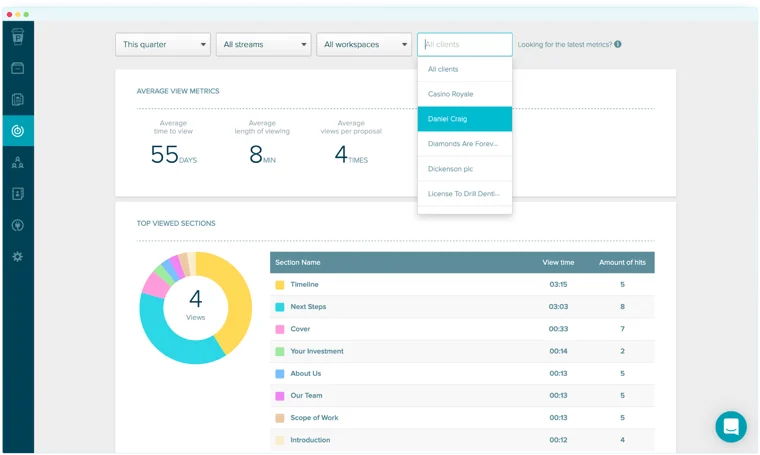
- Viewer Engagement Tracking: Real-time analytics show when a client opens a proposal and which sections they review, giving sales teams more context for follow-up conversations.
Using software to standardize these workflows means your team spends less time fixing broken margins and formatting text, and more time actually selling.
Build and Send Pricing Proposals Faster With Proposify
Proposify is the proposal software B2B sales and proposal teams use to create, send, track, and close professional deals. Rebuilt from the ground up, our V3 platform turns what used to be an afternoon of formatting into a process that takes minutes. It ensures every proposal your team sends reflects your core sales strategy, keeping every rep consistent.
Here’s what you can look forward to:
- Interactive Pricing Tables: Build clear, professional pricing tables with automatic calculations, optional line items, and quantity selectors. Buyers can easily understand pricing and customize their purchase.
- Reusable Pricing Content: Proposify's content library stores your approved pricing tables, service descriptions, and proposal sections in one place. Every proposal your team sends uses consistent, up-to-date pricing and messaging.
- Approval Workflows: Keep internal teams in the loop before any proposal goes out. Every proposal goes through internal review before it reaches the client, meaning fewer pricing errors and unauthorized discounts slip through.
- Proposal Analytics: See when prospects open your proposal, which pricing sections they spend the most time reviewing, and when they're ready for a timely follow-up.
- Built-In E-Signatures: Let clients review, approve, and sign pricing proposals in one place, reducing friction between proposal acceptance and deal closure.
- Interactive Quoting: Allow buyers to select optional services or adjust quantities directly within the proposal, making upsells and pricing changes transparent without creating a new document.
- Transparent Pricing: Review clear upfront pricing with our annual plans, which offer the best value over time. For scaling teams, our Business plan starts at $3,900/year and includes premium onboarding and dedicated support to get your team up and running smoothly.
Final Note: Turn Your Pricing Proposal Into a Competitive Advantage
A well-crafted pricing proposal does more than communicate costs. It shows clients the value of your solution, sets clear expectations, and gives them the confidence to move forward.
By gathering the right information, structuring your proposal thoughtfully, and presenting pricing with clarity, you can improve close rates while reducing misunderstandings throughout the sales process.
If you want to create pricing proposals faster without sacrificing consistency, Proposify helps your team standardize pricing, streamline approvals, and deliver professional proposals that are easier for buyers to review and sign.
Start your free trial or book a demo with our team to explore our business features.